StarNet
What stride do I choose?
In the PixInsight module, choose stride from the kind of image you are processing:
- Large: use for super-wide landscape images.
- Standard: recommended default for telescope images.
- Small: slower; use only when testing extremely large stars.
DeepSNR
What input data works best with DeepSNR?
DeepSNR works best on calibrated, integrated data where the remaining noise is mostly random and high-frequency. Correlated artifacts such as walking noise, banding, strong gradients, or stacking defects should be addressed before denoising because they are part of the image structure, not the noise pattern DeepSNR is meant to remove. See DeepSNR input guidance.
Why does my DeepSNR output look "choppy"?
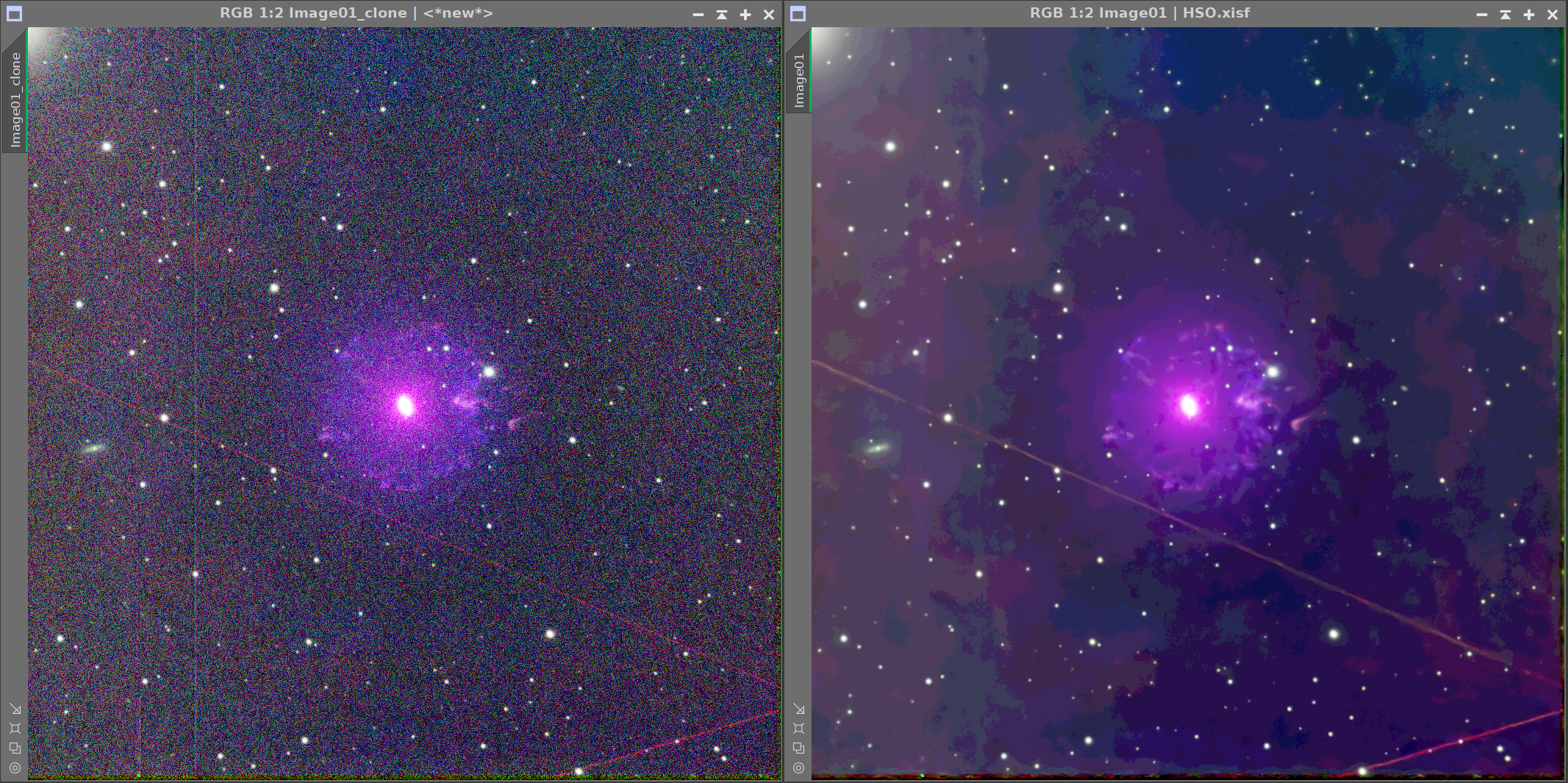
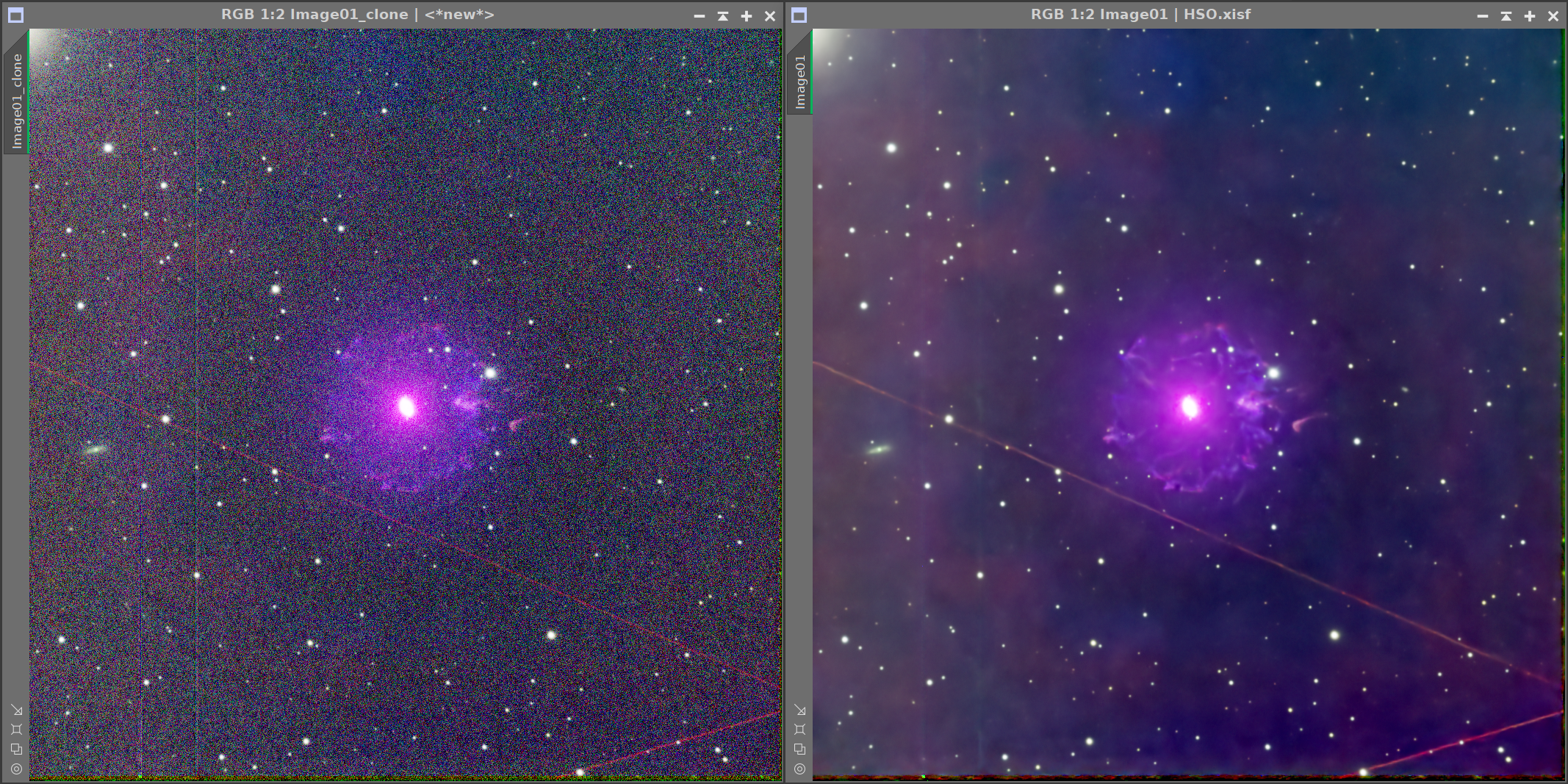
This is usually a PixInsight display issue caused by excessive stretching and the image not being visualized with enough display precision. The "choppy" appearance is present even before noise reduction, but DeepSNR can make it easier to notice because the random noise that was hiding the display steps has been reduced. To render the image properly, enable the 24-bit LUT option from the PixInsight top menu. With 24-bit LUT enabled, the output should display smoothly.

Common
Why is my installed plugin missing from Photoshop's Plugins menu?
Creative Cloud manages plugin installation and registration, and Adobe documents cases where an installed plugin is missing from the app's menu. Save your work and close Photoshop completely. In Creative Cloud Desktop, open Manage plugins, disable the affected plugin, then enable it again. Reopen Photoshop. This has resolved missing panels on Windows and Mac. If it does not help, Adobe recommends signing out of Creative Cloud, restarting the computer, signing back in, and reopening Photoshop. Persistent Adobe installation or registration problems may require Adobe support; the plugin cannot repair Creative Cloud itself. See Photoshop installation troubleshooting and reporting details.
Why do my PixInsight module options stay changed after restarting?
Starting with StarNet2 2.6.0 and DeepSNR 1.3.0, the interfaces remember their last-used settings across PixInsight sessions. Click Reset in the module interface to restore factory defaults. Imported process instances retain their own parameter values. See current PixInsight releases.
Why does --eight fail in the current command-line tools?
StarNet2 2.6.0 and DeepSNR 1.3.0 removed --eight and -e. Remove the option from existing commands. TIFF and PNG output now preserves 8-bit or 16-bit non-FITS input depth automatically, while FITS-to-TIFF or PNG output uses 16-bit depth. See current command-line behavior.
Who maintains the Siril scripts?
StarNet Software maintains the StarNetAstro Siril Python scripts for StarNet2 and DeepSNR integration. The scripts are separate from the product binaries: install the current command-line package first, then use the Siril script to call the installed executable. For help, use the same StarNet and DeepSNR support channels linked from this FAQ. See CLI installation notes.
Are the PixInsight repository URLs down if I cannot open them in my browser?
These repository endpoints serve PixInsight package metadata; they are not normal browser-facing websites. Browser errors usually do not mean the repository is down. If PixInsight cannot update or install a module, check the error shown inside PixInsight and verify the repository URL in PixInsight's repository manager.
How do I enable GPU acceleration?
Current Windows ONNX/ORT packages support DirectML acceleration with CPU fallback. The current CLI downloads include DirectML runtime files. PixInsight module users can follow the Windows GPU guidance for runtime requirements. Acceleration depends on GPU and driver support; manual NVIDIA CUDA setup is optional. See Windows GPU acceleration instructions.